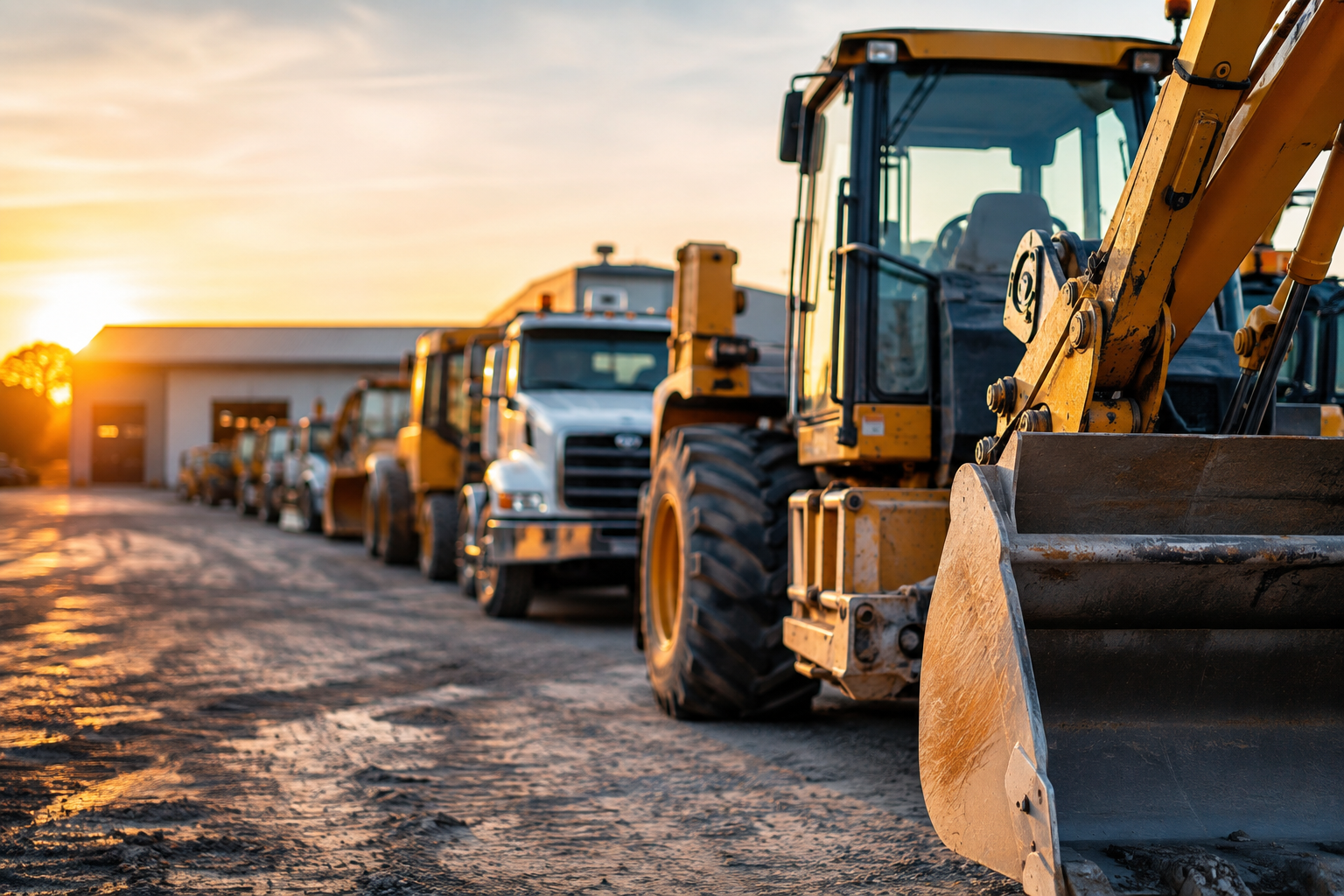
When your business needs new machinery, vehicles, technology, or other equipment, the purchase price can quickly become one of your largest capital investments.
For many growing businesses, the question isn’t simply whether to acquire the equipment—it’s how to acquire it while maintaining financial flexibility.
Equipment leasing is one of several equipment financing solutions available today. Depending on your goals, a lease, Equipment Finance Agreement (EFA), or equipment loan may all be worth considering.
At KLC Financial, we’ve helped businesses across construction, transportation, manufacturing, healthcare, aviation, waste and recycling, and many other industries finance equipment for nearly 40 years. One thing we’ve learned is that the right financing structure isn’t always the same for every business.
Understanding your options can help you make a financing decision that supports both your immediate equipment needs and your long-term growth strategy.
Key Takeaways
- Equipment leasing allows businesses to acquire equipment without making a large upfront purchase.
- Preserving working capital often gives growing businesses greater financial flexibility.
- Equipment financing solutions can include leases, Equipment Finance Agreements (EFAs), equipment loans, and other customized structures.
- The right financing option depends on your cash flow, ownership goals, equipment lifecycle, and business strategy.
- An experienced equipment finance partner can help determine which structure best fits your situation.
What Is Equipment Leasing?
Equipment leasing is a financing arrangement that allows businesses to use equipment while making scheduled payments over an agreed-upon term.
Many business owners use the word leasing to describe all equipment financing. In reality, equipment financing can include several different structures depending on the transaction and your business objectives.
At the end of many lease agreements, businesses may have options to purchase the equipment, extend the lease, or return the equipment depending on the lease structure.
Because equipment needs vary significantly by industry, there is rarely a one-size-fits-all solution.
If you’re comparing leasing to paying cash, our guide on Lease vs Paying Cash for Equipment explores how different financing structures impact cash flow and long-term business flexibility.
Equipment Leasing vs. Equipment Loans vs. Equipment Finance Agreements
Businesses evaluating equipment financing often compare several different options.
Equipment Lease
An equipment lease can provide flexibility for businesses that regularly update equipment or want to preserve cash for other operational priorities.
Depending on the lease structure, businesses may have options at the end of the agreement to purchase, return, or upgrade the equipment.
Equipment Finance Agreement (EFA)
An Equipment Finance Agreement (EFA) is commonly used by businesses planning to own the equipment long term while preserving cash flow through predictable payments.
EFAs often provide an attractive balance between ownership and financial flexibility.
Equipment Loan
Equipment loans are another financing option available through banks and equipment finance companies.
The right solution depends less on the name of the product and more on how well the financing structure aligns with your business objectives.
At KLC Financial, we help businesses evaluate these options every day. Rather than recommending a single financing product, we take the time to understand your equipment, cash flow priorities, growth plans, and long-term goals before recommending a financing structure that fits.
Why Growing Businesses Often Choose Equipment Financing
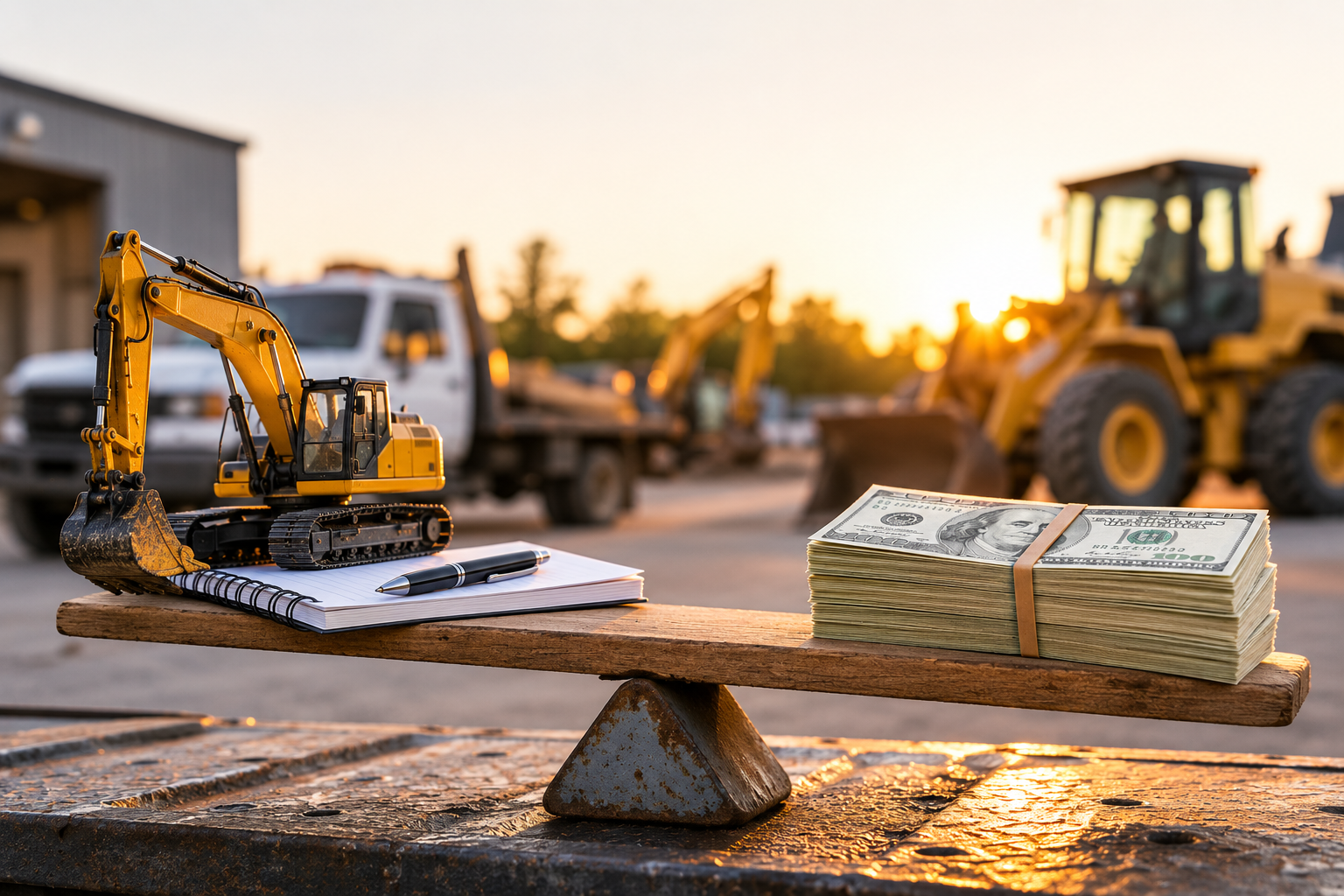
For businesses focused on growth, preserving cash can be just as important as acquiring equipment.
Rather than committing a significant amount of capital to one purchase, financing allows businesses to spread equipment costs over time while keeping cash available for:
- Payroll
- Hiring
- Inventory
- Marketing
- Expansion
- New opportunities
- Unexpected operating expenses
Many successful businesses finance equipment not because they can’t afford to pay cash, but because they prefer to keep capital available for future growth.
Cash Flow Flexibility Matters
One of the greatest advantages of equipment financing is flexibility.
Maintaining working capital gives businesses the ability to respond when opportunities arise.
Whether it’s taking on a new project, expanding operations, purchasing inventory, or navigating seasonal fluctuations, preserving liquidity often provides more options than investing a large amount of cash into a single equipment purchase.
For many companies, financing is simply another tool for managing capital strategically.
What Types of Equipment Can Be Financed?
Equipment financing supports a wide variety of business assets, including:
- Construction equipment
- Commercial vehicles
- Manufacturing equipment
- Medical equipment
- Technology
- Office equipment
- Material handling equipment
- Waste and recycling equipment
- Aviation equipment
- Specialty equipment
Financing solutions can often be customized based on the equipment itself, your industry, and your business goals.
Common Misconceptions About Equipment Leasing
“Leasing is only for startups.”
Not at all.
Many established businesses lease equipment because they want to preserve cash flow, manage equipment refresh cycles, or structure payments around business needs.
“Paying cash is always the smartest financial decision.”
Not necessarily.
Paying cash eliminates financing costs, but it also reduces available working capital that could otherwise support hiring, expansion, inventory, or future opportunities.
“Equipment financing only applies to new equipment.”
Many businesses finance both new and used equipment depending on the asset, transaction structure, and financing partner.
If you’ve recently been turned down by a traditional lender, you may also find our guide on What to Do If Your Bank Declines Equipment Financing helpful.
What Equipment Finance Companies Consider
Equipment finance companies often evaluate transactions differently than traditional banks.
While financial strength remains important, they may also consider factors such as:
- The equipment itself
- Industry experience
- Business growth plans
- Revenue opportunity
- Equipment value
- Overall transaction structure
That broader perspective is one reason many businesses choose to work with independent equipment finance companies like KLC Financial. Looking beyond financial statements alone often creates opportunities to structure transactions around the equipment, the business, and its long-term goals.
Choosing the right financing partner matters just as much as choosing the right financing structure. Learn more in our guide on How to Choose an Equipment Finance Partner.
Tax Considerations
Equipment financing may offer tax advantages depending on the financing structure and your business circumstances.
Some businesses deduct lease payments as operating expenses, while others may benefit from Section 179 or bonus depreciation when purchasing equipment.
Because every business is different, it’s always a good idea to consult your tax advisor before making financing decisions.
Is Equipment Leasing Right for Your Business?
There isn’t one financing solution that’s right for every business.
The best option depends on factors such as:
- Cash flow priorities
- Equipment lifecycle
- Ownership goals
- Growth strategy
- Industry
- Tax considerations
Whether that means an equipment lease, Equipment Finance Agreement (EFA), equipment loan, or another financing structure, understanding your options leads to better long-term decisions.
At KLC Financial, we believe the best financing solution is the one that supports your business today while positioning you for tomorrow. If you’re evaluating equipment financing options, we’re always happy to have a conversation about your equipment, your goals, and the financing structure that makes the most sense for your business.
Frequently Asked Questions
What is the difference between equipment leasing and equipment financing?
Equipment financing is a broad term that includes equipment leases, Equipment Finance Agreements (EFAs), equipment loans, and other financing structures. Leasing is one type of equipment financing.
Can I purchase equipment at the end of a lease?
Many lease agreements include purchase options, although terms vary depending on the lease structure.
Can used equipment be financed?
Yes. Many equipment finance companies finance both new and used equipment depending on the equipment type and transaction.
Why do businesses lease equipment instead of paying cash?
Many businesses choose financing because preserving working capital creates flexibility for growth, operations, and future opportunities.
How do I know which financing structure is right for my business?
The right solution depends on your equipment, business goals, cash flow priorities, and ownership preferences. An experienced equipment finance partner can help evaluate your options and recommend a financing structure