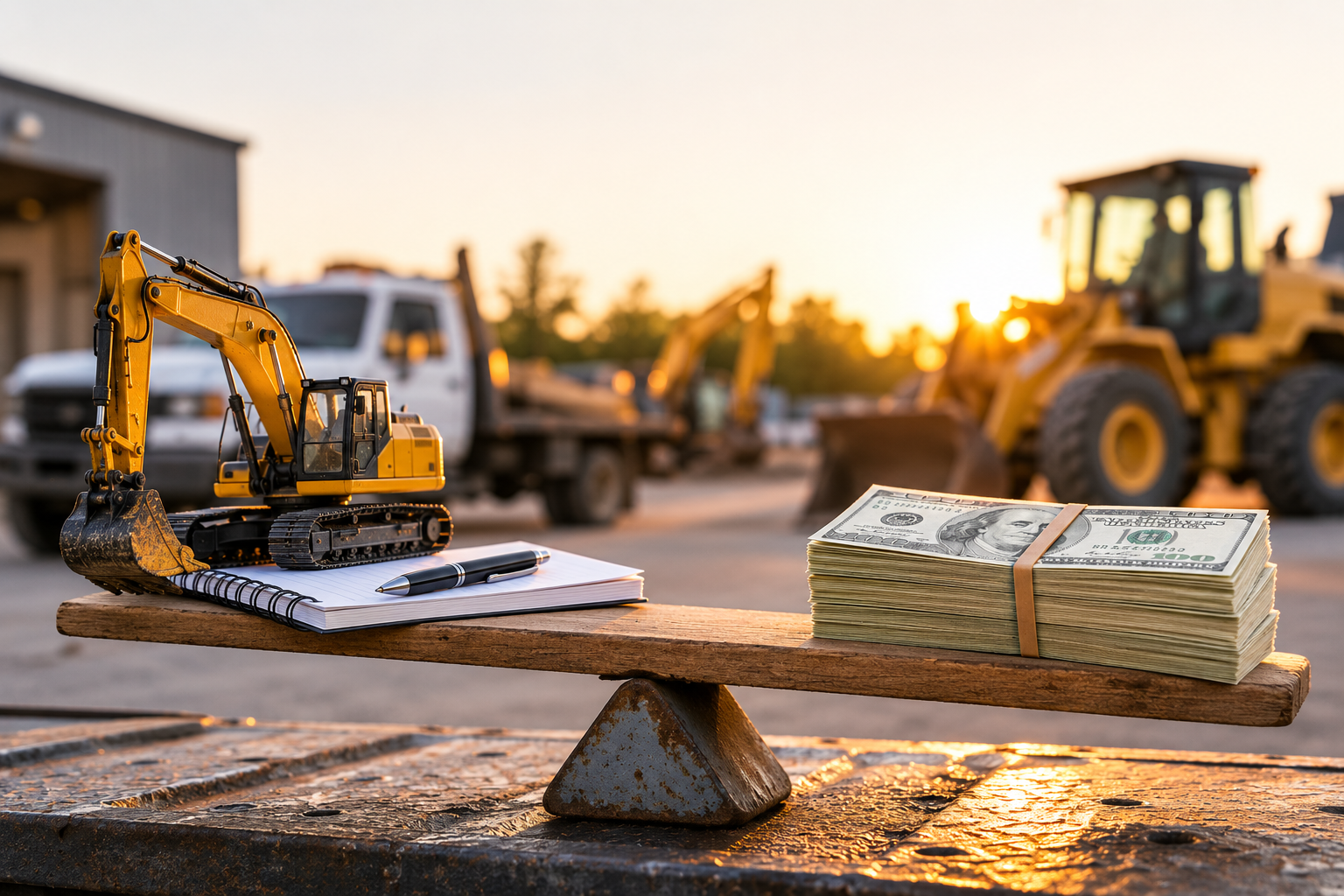
When businesses need new equipment, one of the biggest decisions is whether to pay cash or finance the purchase.
Many business owners use the term leasing to describe all equipment financing, but today’s financing options can include equipment leases, Equipment Finance Agreements (EFAs), equipment loans, and other customized financing structures.
The best approach depends on your business’s cash flow, growth plans, ownership goals, and the type of equipment you’re purchasing.
There isn’t a one-size-fits-all answer. Understanding the available options can help you make a more informed decision that supports both your immediate needs and your long-term business strategy.
Why Some Businesses Choose to Pay Cash
Paying cash for equipment offers simplicity and immediate ownership without monthly payment obligations.
Businesses may choose to pay cash when:
- Cash reserves are strong.
- The equipment purchase is relatively small.
- Minimizing monthly obligations is a priority.
- The business has limited future capital needs.
- The company prefers owning equipment outright from day one.
For some businesses, paying cash is the right choice.
However, tying up a significant amount of working capital in equipment can also reduce financial flexibility.
Why Many Businesses Choose Equipment Financing
Many businesses finance equipment even when they could afford to pay cash.
Why?
Because preserving cash often creates flexibility for future growth.
Instead of investing a large amount of capital into one purchase, financing allows businesses to spread costs over time while preserving working capital for:
- Payroll
- Hiring
- Inventory
- Marketing
- Expansion
- Unexpected opportunities
- Day-to-day operations
For growing businesses especially, maintaining liquidity can sometimes create more long-term value than owning equipment outright on day one.
Financing also allows businesses to better match equipment costs with the revenue the equipment is expected to generate.
Understanding Your Equipment Financing Options
Not every financing solution is structured the same way.
Depending on the equipment, your business goals, and ownership preferences, financing may include several different options.
Equipment Lease
Equipment leases can provide flexibility for businesses that regularly upgrade equipment or want lower upfront costs.
Lease structures vary depending on the equipment and intended ownership outcome.
Equipment Finance Agreement (EFA)
An Equipment Finance Agreement (EFA) is a financing structure commonly used by businesses that ultimately intend to own the equipment.
Many businesses choose EFAs because they combine the predictability of fixed payments with long-term ownership while preserving cash flow.
Equipment Loan
Traditional equipment loans remain another financing option depending on the lender, equipment type, and business profile.
The right solution depends less on the name of the product and more on how well the financing structure aligns with your business objectives.
Not sure which financing structure fits your business?
Every equipment purchase is different. An experienced equipment finance partner can help evaluate your goals and determine whether a lease, EFA, equipment loan, or another financing structure best fits your situation.
Cash Flow Is Often the Bigger Decision
One of the biggest reasons businesses finance equipment isn’t because they can’t pay cash.
It’s because they choose not to.
Working capital gives businesses options.
Preserving cash today may allow a company to:
- Take on a new project.
- Hire additional employees.
- Purchase inventory.
- Invest in growth.
- Handle unexpected expenses.
- Maintain financial flexibility during slower periods.
For many successful businesses, equipment financing is simply another tool for managing capital more strategically.
New Equipment vs. Used Equipment
Many businesses assume financing is only available for new equipment.
In reality, financing is often available for both new and used equipment depending on factors such as:
- Equipment condition
- Age
- Market value
- Industry
- Asset type
- Overall transaction structure
Used equipment financing can provide businesses with additional purchasing flexibility while reducing upfront costs.
Frequently Asked Questions
Is it better to lease equipment or pay cash?
It depends on your company’s cash flow, growth plans, equipment lifecycle, and business goals. Many businesses choose financing because preserving working capital creates additional flexibility.
What’s the difference between an equipment lease and an EFA?
While both are equipment financing solutions, an Equipment Finance Agreement (EFA) is generally structured for businesses planning to own the equipment, while lease structures can offer additional flexibility depending on the transaction.
Why do businesses finance equipment instead of paying cash?
Financing helps many businesses preserve cash, spread equipment costs over time, and maintain flexibility for growth opportunities and day-to-day operations.
Can I finance used equipment?
Yes. Many equipment finance companies finance both new and used equipment depending on the equipment type and overall transaction.
Which financing option is best?
There is no universal answer. The best solution depends on your equipment, industry, ownership goals, tax considerations, and overall business strategy.
Final Thoughts
Choosing whether to pay cash or finance equipment isn’t simply about the purchase price.
It’s about deciding how that investment fits into your broader business strategy.
For some companies, paying cash is the right decision.
For others, an equipment lease, Equipment Finance Agreement (EFA), or equipment loan may provide the flexibility needed to preserve working capital while continuing to invest in growth.
The most effective equipment acquisition strategy is the one that aligns with your company’s goals, cash flow needs, and long-term plans.